🔥 Featured Guides

Showing posts with label Productivity. Show all posts

How to Develop Self-Confidence in Your Mind Naturally


Developing self confidence in mind tips infographic

How to Develop Self Confidence and Believe in Yourself

Self confidence is one of the most powerful qualities a person can develop. It affects how you think, speak, act, and respond to challenges in life. People with strong confidence believe in their abilities, trust their decisions, and continue moving forward even when life becomes difficult.

Many people struggle with self doubt, fear of failure, overthinking, and insecurity. They often feel nervous while speaking, afraid of making mistakes, or worried about what others think. The good news is that confidence is not something only a few lucky people are born with. Self confidence is a skill that anyone can build with practice, discipline, and the right mindset.

Whether you are a student, professional, entrepreneur, or someone trying to improve personally, learning how to build confidence can completely change your life. It can improve your communication, relationships, studies, career, and mental health.

In this complete guide, you will learn practical and proven ways to develop self confidence naturally, improve self esteem, overcome fear, and create a stronger mindset for success.


What is Self Confidence?

Self confidence means believing in yourself and trusting your abilities. It is the feeling that you can face situations, solve problems, learn from mistakes, and achieve goals with effort and determination.

Confidence does not mean being perfect or never failing. Confident people also make mistakes, feel nervous sometimes, and experience setbacks. The difference is that they do not allow fear to control their lives.

A confident person usually:

  • Believes in personal growth
  • Accepts mistakes calmly
  • Faces challenges bravely
  • Speaks with clarity
  • Handles criticism maturely
  • Takes action despite fear

Confidence helps people unlock their true potential and improve every area of life.

Why Self Confidence is Important

Confidence affects almost every decision you make. Without confidence, fear and doubt can stop you from trying new opportunities, speaking openly, or achieving goals.

Here are some major benefits of self confidence:

1. Better Communication

Confident people communicate clearly and express their ideas without fear. This improves conversations, public speaking, interviews, and social interactions.

2. Improved Mental Health

Confidence reduces stress, anxiety, and negative thinking. It creates emotional strength and resilience during difficult times.

3. Greater Success

People who believe in themselves take more action and continue working toward goals even after failures.

4. Stronger Relationships

Confidence helps people build healthy relationships based on honesty, trust, and respect.

5. Better Decision Making

Confident individuals trust their judgment and avoid excessive overthinking.

Signs of Low Self Confidence

Many people struggle with low confidence without realizing it. Understanding the signs can help you begin improving.

  • Fear of speaking in public
  • Negative self talk
  • Constant comparison with others
  • Fear of failure
  • Difficulty making decisions
  • Seeking approval from everyone
  • Avoiding challenges
  • Feeling nervous in social situations
  • Overthinking mistakes
  • Lack of motivation

If these signs sound familiar, remember that confidence can improve gradually with daily practice.

Main Causes of Low Confidence

Negative Childhood Experiences

Constant criticism, bullying, or lack of encouragement during childhood can affect confidence later in life.

Fear of Failure

Many people avoid trying because they fear making mistakes or being judged.

Comparison with Others

Social media has increased comparison. Constantly comparing yourself to others destroys self worth.

Negative Self Talk

Your inner thoughts shape your confidence. Repeating negative thoughts weakens belief in yourself.

Lack of Preparation

People often feel insecure when they are unprepared for exams, interviews, or important situations.

How to Build Self Confidence Step by Step

1. Stop Negative Self Talk

The words you say to yourself matter. Your mind believes what you repeatedly think.

Replace thoughts like:

  • “I am useless”
  • “I always fail”
  • “I cannot do this”

with positive thoughts such as:

  • “I am learning and improving”
  • “Mistakes help me grow”
  • “I can handle challenges”

Positive self talk gradually changes your mindset and strengthens confidence.

2. Set Small Goals

Confidence grows through achievement. Start with small realistic goals and complete them consistently.

Examples:

  • Study for one hour daily
  • Exercise for 20 minutes
  • Speak confidently in one conversation
  • Wake up earlier
  • Read one chapter every day

Small wins create momentum and motivate further improvement.

3. Improve Your Body Language

Your body language affects both your confidence and how others perceive you.

Practice these confident habits:

  • Stand straight
  • Maintain eye contact
  • Speak slowly and clearly
  • Smile naturally
  • Walk confidently

Simple posture improvements can increase confidence immediately.

4. Learn New Skills

Skill development naturally builds confidence. The more capable you become, the more you trust yourself.

Useful skills include:

  • Communication skills
  • Public speaking
  • Time management
  • Computer skills
  • Leadership skills
  • Study techniques

You can also read:

How to Study Difficult Subjects Easily

5. Face Your Fears Gradually

Confidence develops when you face fear instead of avoiding it.

If public speaking scares you, begin by speaking in front of close friends or family members. Gradually increase difficulty.

Growth happens outside your comfort zone.

6. Stop Comparing Yourself to Others

Comparison destroys peace and confidence. Everyone has different strengths, backgrounds, and journeys.

Focus on your own progress instead of competing with others.

7. Improve Physical Health

Physical and mental health are connected. Exercise, sleep, and nutrition greatly affect confidence.

Healthy habits include:

  • Regular exercise
  • Proper sleep
  • Healthy food
  • Hydration
  • Stress management

A healthy body supports a strong mind.

8. Practice Gratitude

Gratitude helps shift focus from problems to blessings. Confident people appreciate progress instead of focusing only on weaknesses.

Write three positive things daily to improve mindset.

9. Spend Time with Positive People

Your environment influences your confidence. Supportive people encourage growth and positivity.

Avoid people who constantly criticize or discourage you.

10. Celebrate Small Wins

Every improvement matters. Celebrating small achievements strengthens motivation and confidence.

Daily Habits of Confident People

Confidence is built through consistent daily habits.

  • They wake up with purpose
  • They maintain discipline
  • They continue learning
  • They focus on solutions
  • They stay physically active
  • They avoid toxic environments
  • They keep promises to themselves
  • They take responsibility for mistakes

How Students Can Become More Confident

Students often struggle with confidence because of exams, competition, social pressure, and fear of failure.

Study Consistently

Preparation reduces fear and increases confidence during exams.

Ask Questions

Do not fear asking questions in class. Learning is more important than pretending to know everything.

Practice Communication

Speak clearly with classmates and teachers regularly.

Participate in Activities

Sports, debates, competitions, and clubs improve confidence greatly.

Stop Fear of Failure

Failure is part of success and learning.

You may also like:

Visit Choice Better for More Study and Productivity Tips

How to Build Confidence in Social Situations

Social anxiety and nervousness are common problems. Confidence improves with practice.

Start Small Conversations

Practice talking with people daily.

Listen Carefully

Good communication includes listening actively.

Smile Naturally

A friendly smile makes interactions easier and more comfortable.

Stop Overthinking

Most people are focused on themselves, not constantly judging you.

Morning Habits That Improve Confidence

  • Wake up early
  • Exercise or stretch
  • Practice gratitude
  • Read motivational content
  • Set daily goals
  • Avoid negative news early in the morning

Morning routines improve mental clarity and positivity.

How Exercise Improves Confidence

Exercise is one of the best natural confidence boosters.

Benefits include:

  • Better mood
  • Improved energy
  • Reduced stress
  • Healthier body image
  • Greater discipline

Even simple walking or stretching can help.

Self Confidence vs Self Esteem

Self confidence and self esteem are connected but different.

Self confidence means believing in your abilities.

Self esteem means valuing yourself as a person.

Both are important for emotional health and success.

Common Mistakes That Destroy Confidence

1. Perfectionism

Waiting for perfection prevents progress.

2. Negative Environment

Toxic people and negativity damage confidence.

3. Overthinking

Thinking too much creates anxiety and fear.

4. Giving Up Quickly

Confidence grows through repeated effort.

5. Seeking Constant Approval

Trying to please everyone weakens self confidence.

How to Stay Confident After Failure

Failure is a natural part of growth. Every successful person has faced setbacks.

To stay confident after failure:

  • Learn from mistakes
  • Focus on improvement
  • Avoid self hatred
  • Continue taking action
  • Remember past successes

Failure does not define your future.

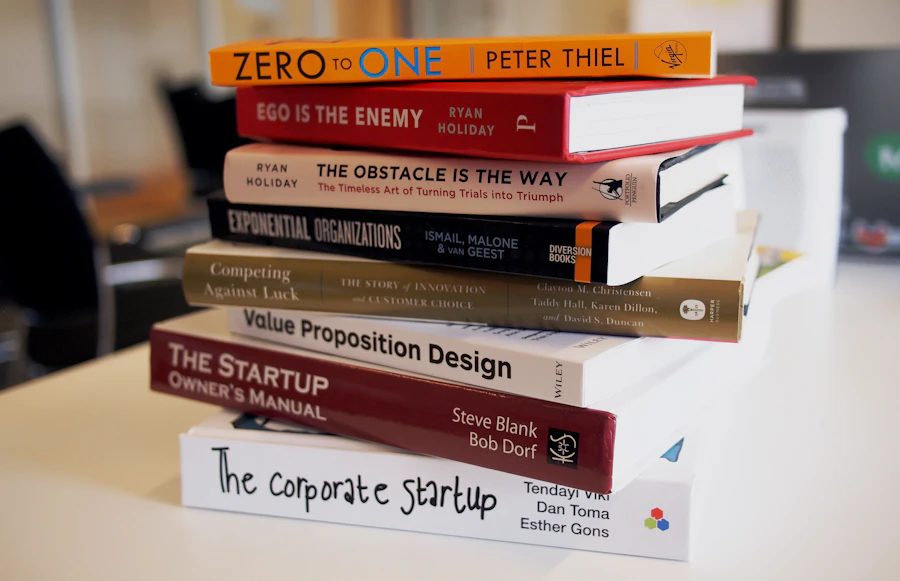
Books That Help Build Confidence

  • The Power of Positive Thinking
  • Atomic Habits
  • The 7 Habits of Highly Effective People
  • Think and Grow Rich
  • How to Win Friends and Influence People

Reading self improvement books improves mindset and personal growth.

Powerful Confidence Quotes

“Believe you can and you're halfway there.”

“Confidence comes from discipline and training.”

“Do not fear failure. Fear never trying.”

“Small daily improvements create big results.”

How Long Does It Take to Build Confidence?

Confidence develops gradually through consistent effort.

Some people notice improvements within weeks, while deeper confidence may take months or years.

The important thing is to continue improving daily without giving up.

Frequently Asked Questions

How can I improve self confidence quickly?

Start with small goals, positive self talk, exercise, better body language, and facing fears gradually.

Why do people lose confidence?

Negative experiences, comparison, fear of failure, criticism, and self doubt are common reasons.

Can confidence be learned?

Yes. Confidence is a skill that improves with practice and positive habits.

Does exercise increase confidence?

Yes. Exercise improves mood, health, energy, and self image.

How can students become more confident?

Students can improve confidence by studying regularly, practicing communication, participating in activities, and avoiding comparison.

Is confidence important for success?

Yes. Confidence helps people take action, communicate effectively, and overcome challenges.

Conclusion

Building self confidence takes patience, consistency, and effort. Every confident person once faced fear, doubt, and failure. The difference is that they continued improving instead of quitting.

You do not need to become perfect overnight. Start with small daily improvements. Change negative thinking, develop healthy habits, face fears gradually, and believe in your ability to grow.

Confidence is not about never feeling afraid. It is about trusting yourself enough to move forward despite fear.

The more action you take, the stronger your confidence becomes.

Call to Action

If you found this guide helpful, share it with friends and family who want to improve their confidence and mindset.

For more self improvement, study tips, productivity guides, and motivational content, visit:

Choice Better Blog

How to Use the Blurting Method to Memorize Faster

How to use blurting method to memorize faster active recall study technique


How to Use the Blurting Method to Study Smarter and Remember Everything

Have you ever spent hours reading your textbooks, only to realize you cannot recall a single detail? Many students and professionals struggle with traditional study habits that simply do not stick. You are not alone in this frustration.

There is a revolutionary approach designed to change how you process information. By using active recall, you can transform your daily routine and boost your academic performance significantly.


This technique helps you retain complex data with ease. It is a simple yet powerful strategy that turns passive reading into an active brain workout. Once you start, you will wonder how you ever managed without it. If you’re serious about improving your study routine, you should also check our guide on best study strategies used by toppers

Key Takeaways

  • Active recall is superior to passive reading for long-term retention.
  • This strategy helps students and professionals save valuable time.
  • It forces your brain to retrieve information, strengthening neural pathways.
  • You can apply this technique to any subject or complex topic.
  • Consistent practice leads to measurable improvements in exam scores.

Understanding the Science Behind Active Recall

To truly master any subject, you must first understand how your brain processes and stores new information. Many students struggle because they rely on outdated methods that do not align with how the human mind actually functions. By adopting better learning strategies, you can turn your study sessions into highly efficient memory-building exercises.

How the Brain Encodes Information

When you encounter new data, your brain creates temporary neural connections. If you do not reinforce these connections, they quickly fade away. True encoding happens when you force your brain to work for the information rather than just absorbing it passively.

Think of your brain like a muscle that grows stronger through resistance. When you actively retrieve information, you are essentially lifting weights for your neurons. This process transforms short-term memory into long-term knowledge.

Why Passive Reading Fails Students

Many students fall into the trap of re-reading textbooks or highlighting notes repeatedly. This creates an illusion of competence, where the material feels familiar simply because you have seen it before. However, familiarity is not the same as mastery.

Passive reading does not require your brain to engage deeply with the content. Because the information is right in front of you, your brain takes the path of least resistance. Effective learning strategies require you to look away from the source material and test your own understanding.

The Cognitive Benefits of Retrieval Practice

Retrieval practice is the act of calling information to mind without looking at your notes. This simple shift in your study routine forces your brain to reconstruct the knowledge, which significantly strengthens neural pathways. Over time, this makes recalling complex concepts during exams much faster and more accurate.

Feature

Passive Reading

Active Retrieval

Brain Effort

Low

High

Retention Rate

Short-term

Long-term

Outcome

Illusion of Mastery

True Understanding

By prioritizing retrieval over passive review, you build a more robust memory bank. This is one of the most effective learning strategies for students preparing for competitive exams. Consistency in this practice ensures that you are not just memorizing facts, but truly internalizing the subject matter.

Preparing Your Study Environment for Success

A well-organized study area acts as a catalyst for better memory retention and productivity. When you prepare your space correctly, you reduce the mental friction that often leads to procrastination. These study tips will help you build a foundation for consistent academic growth.

Selecting the Right Study Materials

Before you begin, gather all your primary resources in one place. Having your textbooks, lecture notes, and reference guides within arm's reach prevents unnecessary movement. This preparation is one of the most effective study tips for maintaining deep focus.

Organize your materials by subject or priority level. If you are using digital resources, ensure your tabs are clean and your files are easily accessible. A clutter-free digital workspace is just as important as a tidy physical desk.

Creating a Distraction-Free Zone

Your environment should signal to your brain that it is time to work. Choose a quiet corner of your home where you can sit comfortably for long periods. If you live in a busy household, consider using noise-canceling headphones to block out ambient sounds.

Remove non-essential items from your desk to keep your mind clear. Keep your smartphone in another room or use apps that block social media notifications. Minimizing digital interruptions is a vital part of modern study tips.

Gathering Essential Stationery and Tools

Having the right tools ready ensures you never break your flow during a session. Keep a stack of blank paper, high-quality pens, and a reliable timer nearby. These simple items are the backbone of any successful memory-based practice.

Consider the following setup options to optimize your workspace for maximum efficiency:

Tool Category

Recommended Item

Primary Benefit

Writing Surface

A4 Blank Sheets

Provides space for free-form recall

Time Management

Analog Kitchen Timer

Prevents phone-based distractions

Organization

Desktop File Organizer

Keeps reference materials accessible

Comfort

Ergonomic Chair

Supports long-term focus and posture

By investing time in your setup, you create a professional atmosphere that encourages discipline. These study tips are designed to help you stay consistent throughout your preparation journey. Remember that a prepared student is always one step ahead of the competition.

The Blurting Method: The Fastest Way to Memorize Anything

Why do some students learn faster than others? The answer often lies in the Blurting Method: The Fastest Way to Memorize Anything. This technique shifts your focus from simply reading text to actively pulling information from your brain.

Defining the Core Concept of Blurting

At its heart, this strategy involves reading a topic and then writing down everything you remember without looking at your notes. It is a high-intensity exercise that forces your brain to work harder. By doing this, you create stronger neural pathways that make future recall much easier.

How Blurting Differs from Traditional Note-Taking

Traditional note-taking often involves copying words directly from a textbook, which is a passive activity. In contrast, the Blurting Method requires you to synthesize information from memory. This active engagement is far more effective for long-term retention than simply highlighting or transcribing pages.

Feature

Passive Note-Taking

Blurting Method

Primary Action

Copying/Highlighting

Active Recall

Mental Effort

Low

High

Retention Rate

Low to Moderate

Very High

Setting Realistic Expectations for Your First Session

Do not expect to remember every single detail during your first attempt. It is normal to feel frustrated when you cannot recall specific facts immediately. Treat your first session as a baseline to measure your growth over time.

Consistency is the secret to success with this technique. As you practice, you will find that the Blurting Method: The Fastest Way to Memorize Anything becomes a natural part of your study routine. Keep pushing yourself, and your memory will improve significantly.

Step-by-Step Guide to Executing a Blurting Session

Implementing a consistent routine is the secret to making the The Fastest Way to Memorize Anything. By following a structured workflow, you transform passive study time into an active, high-impact learning experience. This process ensures that you are not just reading, but truly internalizing complex concepts.

Reading and Comprehending the Source Material

Before you begin, you must engage deeply with your textbook or lecture notes. Read the material once to grasp the main ideas and identify key themes. Do not try to memorize every word during this initial phase.

Instead, focus on understanding the logical flow of the information. Ask yourself how different concepts relate to one another. This foundational step is vital for the Blurting Method: The Fastest Way to Memorize Anything to work effectively.

The Process of Dumping Information onto Paper

Once you feel you have a grasp of the topic, close your books and put away all study aids. Take a blank sheet of paper and write down everything you can remember about the subject. Do not worry about formatting or perfect grammar at this stage.

The goal is to retrieve information from your memory without any external prompts. If you get stuck, try to visualize the diagrams or headings from your textbook. This mental effort is exactly what strengthens your neural pathways.

Identifying Knowledge Gaps Through Self-Correction

After you have exhausted your memory, open your source material again. Use a different colored pen to fill in the details you missed or corrected any inaccuracies. This self-correction phase is where the real learning happens.

By comparing your blurted notes to the original text, you clearly see what you know and what you still need to study. This targeted approach makes the active recall strategy highly efficient for exam preparation.

Study Phase

Primary Goal

Action Required

Preparation

Comprehension

Active reading of source material

Execution

Memory Retrieval

Writing everything from memory

Correction

Gap Analysis

Reviewing with a different color pen

Optimizing Your Blurting Sessions for Exam Preparation

Strategic planning turns simple recall exercises into powerful tools for exam preparation. By shifting your focus from passive review to active output, you ensure that every minute spent studying contributes directly to your final score.

Aligning Blurting with Syllabus Requirements

To maximize your efficiency, you must map your sessions to the official syllabus. Start by identifying high-yield topics that appear frequently in past papers. Prioritizing these core concepts ensures that you cover the most critical material before moving on to secondary details.

Organize your notes into categories based on their weightage in the exam. This method prevents you from wasting energy on low-impact information while neglecting essential chapters. Always keep your syllabus copy nearby to track your progress systematically.

Using Blurting for Complex Subjects Like Science and History

Complex subjects require a slightly different approach to ensure deep understanding. For science, focus your blurting on diagrams, chemical equations, and biological processes. Visualizing the flow of information helps you retain technical details that are often difficult to memorize through reading alone.

In history, use the method to map out timelines, cause-and-effect relationships, and key historical figures. Instead of just listing dates, try to write a narrative flow that connects events logically. This narrative structure reinforces your grasp of the subject matter during your exam preparation.

Managing Time During Intensive Study Blocks

Intensive study blocks are highly effective, but they require careful management to avoid mental fatigue. Use the Pomodoro technique to break your sessions into manageable chunks of 45 minutes of intense focus followed by 15 minutes of rest. This rhythm keeps your brain sharp and prevents burnout.

During these blocks, keep a timer visible to maintain a sense of urgency. Setting a strict time limit for each blurt forces your brain to retrieve information faster. This practice mimics the pressure of a real test environment, which is vital for your overall exam preparation. You can combine this with How to Prepare for Exams Effectively

Subject Type

Primary Focus

Blurting Strategy

Science

Processes & Formulas

Draw diagrams and write equations

History

Events & Chronology

Create timelines and narrative maps

Languages

Grammar & Vocabulary

Write sentences and word associations

Mathematics

Problem Solving

Solve steps without looking at keys

Integrating Blurting with Other Learning Strategies

Why rely on just one method when you can create a robust study system using various learning strategies? By layering different techniques, you can address both the speed of memorization and the depth of your conceptual understanding. This holistic approach ensures that your brain processes information through multiple pathways, making it much harder to forget.

Combining Blurting with Spaced Repetition

Spaced repetition is the perfect partner for the blurting method. While blurting helps you dump information quickly, spaced repetition ensures you revisit that data at optimal intervals. Schedule your review sessions to occur just as you are about to forget the material.

This combination prevents the "forgetting curve" from taking hold. By forcing your brain to retrieve information repeatedly over days or weeks, you solidify long-term memory. It is one of the most effective learning strategies for competitive exams where syllabus coverage is vast.

Using Blurting Alongside Feynman Technique

The Feynman Technique focuses on simplifying complex ideas by explaining them in plain language. After you finish a blurting session, identify the topics where you struggled to recall details. Use the Feynman method to re-teach those specific concepts to an imaginary student or a friend.

If you cannot explain a concept simply, you have found a gap in your knowledge. This active feedback loop turns your initial blurted notes into a masterclass of clarity. It ensures that you truly understand the subject rather than just memorizing words.

Creating Mind Maps from Blurted Notes

Once you have completed a blurt, your paper might look like a chaotic web of information. Transforming these raw notes into a structured mind map helps you visualize the relationships between different topics. Use colors and branches to connect core themes to supporting details.

This visual organization acts as a roadmap for your brain. It makes it easier to navigate complex subjects like history or biology during your final revision. Integrating these learning strategies creates a comprehensive system that supports both recall and structural understanding.

Strategy

Primary Benefit

Best Use Case

Blurting

Active Recall

Initial memorization

Spaced Repetition

Long-term Retention

Reviewing old topics

Feynman Technique

Conceptual Clarity

Complex theories

Mind Mapping

Visual Organization

Connecting big ideas

Common Mistakes to Avoid When Using the Blurting Method

Mastering the Blurting Method requires more than just effort; it demands a strategic approach to avoid frequent pitfalls. Even the most dedicated students can struggle if they fall into common traps that hinder their cognitive progress. By identifying these errors early, you can refine your study habits for better results.

Relying Too Heavily on Recognition Instead of Recall

Many students mistake reading their notes for actual learning. Recognition occurs when you see information and feel familiar with it, but this is not the same as retrieving it from memory. To truly master the blurting technique, you must force your brain to produce information without looking at your textbook.

Skipping the Correction Phase

The most critical part of the process is checking your work against the source material. If you skip this step, you risk cementing incorrect information in your long-term memory. Always use a different colored pen to fill in the gaps, as this visual feedback helps your brain identify exactly what you missed.

Overloading Your Brain in a Single Session

Attempting to blurt an entire syllabus chapter in one sitting often leads to mental fatigue. Cognitive overload reduces your ability to retain complex concepts effectively. Instead, break your study blocks into manageable segments to maintain a sustainable pace throughout your preparation.

Common Habit

Impact on Learning

Recommended Action

Passive Reading

Low retention

Active recall

Ignoring Errors

Reinforces mistakes

Detailed correction

Marathon Sessions

Mental exhaustion

Timed intervals

Avoiding these pitfalls ensures that you get the most out of this method. Consistency and self-awareness are your best tools for academic success.

Adapting the Blurting Method for Competitive Exams in India

Mastering the blurting method can be a game-changer for students tackling the UPSC or JEE. These high-stakes assessments demand more than just rote memorization; they require deep conceptual clarity and the ability to retrieve vast amounts of information instantly. By tailoring your exam preparation to include active recall, you can significantly improve your retention rates.

Applying Blurting to UPSC and JEE Preparation

For UPSC aspirants, the syllabus is vast and requires interlinking diverse topics like history, geography, and current affairs. You can use blurting to map out these connections by writing down everything you know about a specific theme on a blank sheet. This process helps you identify exactly where your knowledge is thin, providing essential career guidance for your next study session.

JEE candidates can benefit by using this technique for complex physics formulas or chemistry reactions. Instead of staring at a textbook, try to derive the formula or explain the mechanism from memory. This active engagement ensures that you are not just recognizing the material, but truly understanding it. Pair this with how to revise faster before exams

Balancing Blurting with Mock Test Practice

While blurting is excellent for building a foundation, it must be paired with regular mock tests to simulate the actual exam environment. Think of blurting as your daily training and mock tests as your final performance. The following table illustrates how to integrate these two powerful tools effectively.

Strategy

Primary Goal

Frequency

Blurting

Deep Memory Encoding

Daily

Mock Tests

Speed and Accuracy

Weekly

Review

Gap Identification

Post-Test

Maintaining Consistency During Long-Term Study Schedules

Consistency is the secret ingredient to success in any competitive exam. Long-term study schedules can feel overwhelming, but breaking your goals into smaller, manageable chunks makes the process easier. Stay motivated by tracking your progress and acknowledging the improvements you make each week.

Remember that your exam preparation is a marathon, not a sprint. If you feel burnt out, take a short break, but return to your routine as soon as possible. Consistent, small efforts will always outperform sporadic, intense study sessions in the long run.

Tracking Your Progress and Improving Retention

You cannot improve what you do not measure, especially when it comes to your study habits. By keeping a record of your efforts, you gain clarity on how much information you truly retain. These study tips help you transform raw data into actionable insights for your academic journey.

Maintaining a Study Log for Performance Analysis

A dedicated study log acts as a mirror for your learning process. You should record the date, the subject, the time spent, and your initial recall score after each session. This simple habit allows you to spot patterns in your performance over time.

When you review your log, look for trends in your focus levels and memory retention. If you notice that your recall drops during late-night sessions, you can adjust your schedule accordingly. Consistent logging is one of the most effective study tips for students preparing for competitive exams.

Adjusting Your Strategy Based on Recall Accuracy

Data-driven learning is the key to efficiency. If your recall accuracy remains low for a specific topic, it is a clear sign that you need to change your approach. You might need to revisit the source material or try a different method, such as creating visual diagrams.

Do not be afraid to experiment with your techniques. If one method fails to yield results, pivot to another strategy immediately. Using these study tips ensures that you are not just working hard, but working smart to maximize your retention.

Metric

Low Performance

High Performance

Recall Accuracy

Below 50%

Above 85%

Study Duration

Over 90 minutes

45-60 minutes

Retention Rate

Rapid decay

Long-term stability

Celebrating Small Wins to Stay Motivated

The path to success is often long and demanding. It is important to acknowledge the small milestones you reach every single day. Whether you mastered a difficult concept or completed a full session without distractions, take a moment to appreciate your progress.

Celebrating these wins releases dopamine, which keeps your brain engaged and eager for the next challenge. Maintaining a positive mindset is just as important as the technical aspects of your preparation. Keep pushing forward, and remember that every small step brings you closer to your ultimate goal.

Conclusion

The blurting method serves as a powerful engine for your intellectual growth. By shifting from passive review to active recall, you transform how your brain stores and retrieves vital information. This shift builds the mental stamina required for high-stakes testing environments.

You now possess a clear roadmap to master complex topics with ease. Consistent practice turns difficult study sessions into productive habits that yield measurable results. This disciplined approach provides the essential career guidance needed to excel in competitive fields across India.

Begin your first session right now to see the immediate impact on your retention rates. Small, daily efforts lead to significant breakthroughs in your long-term learning journey. Your dedication to this technique will open doors to new opportunities and professional success.

Share your progress with peers or mentors to keep your momentum high. Staying active in your educational path ensures you remain ahead of the curve. Trust the process and watch your academic performance reach new heights.

FAQ

What exactly makes the Blurting Method faster than traditional study habits?

The Blurting Method is considered the fastest way to memorize because it centers on active recall rather than passive review. When you force your brain to retrieve information without looking at your notes, you strengthen neural pathways much more effectively than re-reading a Pearson textbook. This shift from recognition to recall is one of the most efficient learning strategies for rapid retention.

How can I avoid the "illusion of competence" during my exam preparation?

Many students fall into the trap of thinking they know the material because it looks familiar on the page. To break this, use the Blurting Method to test your actual knowledge. If you can't "blurt" it out onto your Moleskine notebook from memory, you haven't mastered it yet. This honest assessment is vital for effective exam preparation.

Which stationery and tools are best for a successful blurting session?

While the technique is simple, having the right tools helps maintain focus. We recommend using a high-quality Pilot G2 or Uni-ball Signo pen for a smooth writing experience during your information dump. Using unlined paper or a dedicated Whitelines notebook can also help you transition your blurted notes into visual mind maps later on.

Can the Blurting Method be adapted for complex competitive exams like the UPSC or JEE?

Yes, it is incredibly effective for high-stakes exam preparation in India. For the UPSC, you can use blurting to memorize vast historical timelines or constitutional articles. For the JEE, try blurting out complex physics formulas or chemical reactions. Combining this with mock test practice ensures you are ready for the pressure of the actual exam hall.

How do I integrate the Feynman Technique with my blurting sessions?

To ensure deep understanding, try "blurting" as if you are explaining the topic to a beginner. This follows the Feynman Technique: if you can't explain it simply in your own words on paper, you’ve identified a gap in your comprehension. This dual approach is one of the most powerful study tips for mastering difficult subjects.

How often should I use spaced repetition alongside this method?

To maximize long-term retention, you should "blurt" the same topic at increasing intervals. For example, use a digital tool like Anki or Quizlet to schedule your sessions. Blurting a topic today, then again in three days, and then in a week, ensures the information moves from your short-term memory to long-term mastery.

Why is the self-correction phase considered the most important step?

The "dump" tells you what you know, but the correction phase tells you what you *don't* know. By opening your Oxford or McGraw Hill source material and using a red pen to add missing details, you are directly targeting your weaknesses. This specific feedback loop is what leads to significant career guidance advantages and academic growth.

How does tracking my progress through a study log help my career guidance?

Maintaining a study log allows you to see patterns in your learning. By analyzing which subjects you retain best through the Blurting Method, you can make more informed decisions about your strengths and interests. This data is invaluable for career guidance, as it helps you align your professional goals with the subjects you naturally master.

What should I do if I feel overwhelmed during an intensive study block?

If you experience cognitive overload, it is essential to take a break. Use the Pomodoro Technique—set a timer for 25 minutes of intense blurting followed by a 5-minute break. Using study tips like these helps you maintain a sustainable pace, ensuring your exam preparation remains productive without leading to burnout.