
Self-confidence is one of the most powerful qualities a person can develop. It affects how you think, how you speak, how you make decisions, and how you face challenges in life. People who have strong confidence in their minds are more likely to achieve their goals, overcome failures, and create a positive future.
Many people believe confidence is something people are born with. In reality, confidence is a skill that can be developed through daily habits, self-awareness, and consistent action. Psychological research and personal development experts agree that self-confidence grows when people build trust in their abilities through experience and practice.

In this complete guide, you will learn practical ways to develop self-confidence in your mind, overcome self-doubt, improve your mindset, and become mentally stronger every day.
Table of Contents
What is Self Confidence?
Self-confidence is the belief that you can handle situations, solve problems, and achieve goals. It does not mean believing you are perfect. Instead, it means trusting yourself even when challenges appear.
According to psychological studies, confidence is closely connected to self-efficacy, which refers to the belief that you can successfully complete a task or overcome obstacles.
A confident person:
- Trusts their decisions
- Accepts mistakes as learning experiences
- Faces challenges with courage
- Communicates clearly
- Does not depend completely on others for validation
Confidence is not arrogance. Arrogance comes from trying to appear superior, while confidence comes from believing in your abilities without needing to prove yourself.
Why Self Confidence is Important in Life

Confidence influences nearly every area of life.
1. Better Academic Performance
Students who believe in themselves are more likely to participate in class, ask questions, and prepare effectively for exams.
Related Reading: Complete NEET Biology Study Strategy
2. Improved Communication Skills
Confident individuals express their opinions without fear. They maintain eye contact, communicate clearly, and develop stronger relationships.
3. Stronger Mental Health
People with healthy confidence often experience lower levels of anxiety and excessive self-doubt. Confidence helps individuals manage stress more effectively.
4. Greater Career Success
Employers value individuals who can take responsibility, solve problems, and lead projects. Confidence plays a major role in professional growth.
5. Increased Motivation
When you trust yourself, you become more willing to take action. Small achievements create momentum and encourage further success.
What Causes Low Self Confidence?
Understanding the causes of low confidence is important before trying to improve it.
Negative Self-Talk
Many people constantly criticize themselves. Statements like "I can't do this" or "I always fail" weaken self-belief over time.
Fear of Failure
People often avoid opportunities because they fear making mistakes. However, confidence grows through action, not avoidance.
Comparing Yourself to Others
Social media has increased comparison. Constantly comparing your progress to others can damage your confidence.
Past Experiences
Past failures, criticism, or rejection can create limiting beliefs if not handled properly.
Lack of Preparation
Sometimes low confidence simply comes from being unprepared. Confidence often increases when skills improve through practice.
15 Powerful Ways to Develop Self Confidence in Mind

1. Change Your Self-Talk
Your mind listens to what you repeatedly tell yourself.
Replace:
- "I am not good enough."
- "I always fail."
- "People are better than me."
With:
- "I am improving every day."
- "Mistakes help me learn."
- "I can develop new skills."
Positive self-talk gradually rewires your thinking patterns.
2. Set Small Achievable Goals
Confidence develops through achievement.
Instead of setting unrealistic goals, focus on small wins:
- Study for 30 minutes daily
- Exercise for 15 minutes
- Read 10 pages every day
Every achievement sends evidence to your brain that you are capable.
Related Reading: How Self Discipline Builds Focus, Success and Confidence
3. Focus on Progress, Not Perfection
Perfectionism often destroys confidence.
No one performs perfectly all the time. Successful people focus on improvement rather than perfection.
4. Learn New Skills
Competence creates confidence.
The more skills you develop, the stronger your self-belief becomes.
Examples include:
- Public speaking
- Writing
- Computer skills
- Communication skills
- Leadership skills
5. Improve Your Physical Health
Your physical condition affects your mental confidence.
- Sleep 7–8 hours daily
- Exercise regularly
- Eat healthy foods
- Stay hydrated
Research consistently shows that physical wellness positively influences confidence and self-esteem.
6. Stop Comparing Yourself
Comparison steals confidence.
Focus on becoming better than your previous version rather than competing with everyone around you.
7. Face Your Fears Gradually
Confidence grows outside the comfort zone.
If public speaking scares you, start speaking in small groups.
If meeting new people feels difficult, start one conversation each day.
Small exposure builds courage.
8. Keep a Success Journal
Write down:
- Your achievements
- Your strengths
- Your improvements
- Your positive experiences
Reviewing accomplishments reminds you of your capabilities.
9. Improve Body Language
Body language influences both how others see you and how you feel about yourself.
- Stand straight
- Maintain eye contact
- Smile naturally
- Walk confidently
Small physical changes can improve mental confidence significantly.
10. Surround Yourself with Positive People
The people around you influence your beliefs.
Spend more time with individuals who encourage growth rather than constant criticism.
11. Accept Failure as Feedback
Every successful person experiences failure.
Failure does not mean you are incapable. It simply means there is something new to learn.
12. Develop Daily Discipline
Discipline builds trust in yourself.
When you consistently keep promises to yourself, confidence naturally increases.
Related Reading:Importance of Building Self Discipline
13. Practice Gratitude
Gratitude shifts attention away from weaknesses and toward strengths.
Spend a few minutes daily writing things you appreciate about your life.
14. Learn to Say No
Confident people respect their time and priorities.
Learning to say no helps establish healthy boundaries.
15. Take Action Even When You Feel Uncertain
Many people wait until they feel confident before acting.
The truth is the opposite.
Action creates confidence.
Confidence rarely appears before effort. It usually develops after repeated attempts and experiences.
Confidence Building Exercises You Can Practice Daily

Building self-confidence is similar to building physical strength. It requires regular practice and consistency. The following exercises can gradually strengthen your confidence and improve your mindset.
1. Mirror Talk Exercise
Stand in front of a mirror every morning and speak positively about yourself. Maintain eye contact and repeat statements such as:
- I am capable of learning new things.
- I am improving every day.
- I can overcome challenges.
- I trust my abilities.
This simple practice helps reprogram negative beliefs and strengthens self-image.
2. Success Journal Method
Write down three achievements every day, no matter how small they seem. Over time, this creates evidence that you are making progress.
3. The Confidence Challenge
Every day, do one thing that feels slightly uncomfortable:
- Ask a question in class
- Speak to a stranger
- Share an opinion
- Volunteer for responsibility
Small challenges gradually expand your comfort zone.
How Students Can Build Self Confidence

Students often struggle with confidence due to exams, competition, and social pressure. However, confidence can significantly improve academic performance.
Study Consistently
Preparation creates confidence. Students who revise regularly feel less anxious during exams.
Participate Actively
Answer questions in class, join discussions, and participate in school activities. Every participation experience improves confidence.
Avoid Comparison
Comparing marks, scores, and achievements with others can create unnecessary stress. Focus on personal improvement.
The Connection Between Self Discipline and Confidence

Confidence and discipline are closely connected. Every time you keep a promise to yourself, your brain develops trust in your abilities.
For example:
- Waking up on time
- Following a study schedule
- Completing daily goals
- Exercising regularly
These actions strengthen self-respect and confidence.
Books That Can Improve Self Confidence
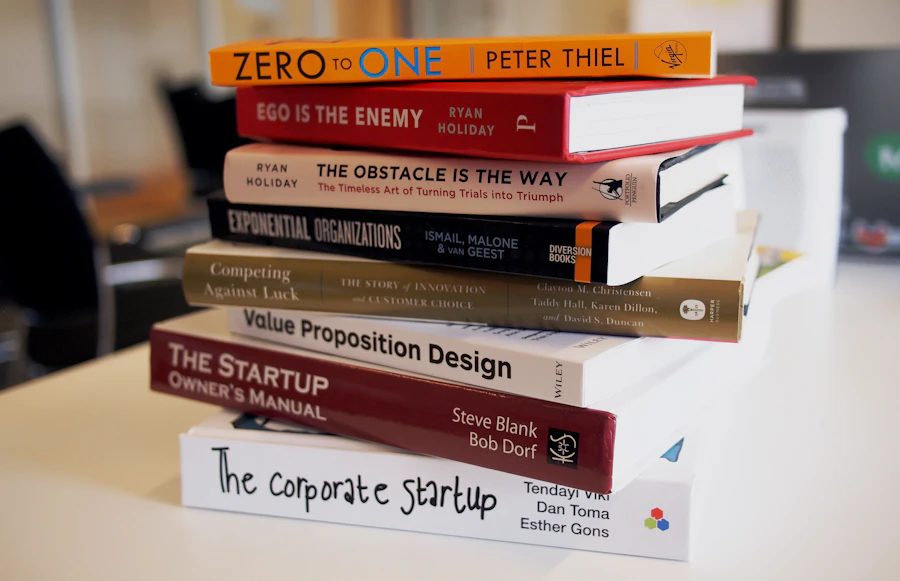
Reading personal development books can improve mindset and self-belief.
- The Power of Positive Thinking
- Atomic Habits
- Think and Grow Rich
- The Magic of Thinking Big
- Awaken the Giant Within
Reading daily exposes your mind to positive ideas and strengthens confidence over time.
Recommended:The power if Positive Thinking
10 Powerful Self Confidence Quotes

"The way to develop self-confidence is to do the thing you fear."
"Confidence comes not from always being right but from not fearing to be wrong."
"Small daily improvements lead to stunning results."
"Success begins with self-belief."
"You gain strength every time you face fear."
30-Day Self Confidence Improvement Plan

Week 1
- Practice positive affirmations
- Write goals daily
- Exercise for 15 minutes
Week 2
- Start a success journal
- Speak up in conversations
- Read 20 minutes daily
Week 3
- Face one fear daily
- Learn a new skill
- Reduce social comparison
Week 4
- Review achievements
- Set bigger goals
- Continue daily confidence habits
By the end of 30 days, most people notice significant improvements in confidence and self-belief.
```html
Confidence in Career and Professional Life

Confidence plays a major role in professional success. Technical skills are important, but employers also value people who can communicate clearly, make decisions, solve problems, and take responsibility. Individuals with strong self-confidence are often more willing to share ideas, lead projects, and accept new challenges.
Whether you are preparing for a job interview, giving a presentation, or starting a business, confidence can significantly influence your performance. Confidence allows you to showcase your abilities instead of hiding them behind fear and self-doubt.
Students who are exploring a career in artificial intelligence or other competitive fields can especially benefit from developing strong confidence because emerging industries reward innovation, learning, and problem-solving abilities.
Confidence and Mental Resilience

Mental resilience is the ability to recover from setbacks and continue moving forward despite challenges. Self-confidence and resilience work together because confident people are more likely to see failures as temporary obstacles rather than permanent limitations.
Life does not always go according to plan. Exams may not go well, job applications may be rejected, and goals may take longer than expected. Resilient individuals learn from these experiences and continue improving instead of giving up.
One of the most effective ways to develop resilience is through strong self-discipline strategies. Discipline helps people remain focused on long-term goals even when motivation is low.
How Confidence Changes Your Future

The future you create depends largely on the actions you take today. Self-confidence influences those actions by encouraging growth, learning, and persistence. People who believe in themselves are more likely to apply for opportunities, learn new skills, build relationships, and pursue ambitious goals.
Confidence does not guarantee success, but it increases the likelihood that you will keep moving forward even when progress feels slow. Every challenge you overcome becomes evidence that you are capable of handling bigger challenges in the future.
Developing confidence should be viewed as a lifelong journey. Small improvements made consistently can produce remarkable results over time.
Building knowledge through daily reading habits can further strengthen confidence because knowledge reduces uncertainty and improves decision-making abilities.
Students preparing for competitive exams can also benefit from following a structured NEET preparation guide to build confidence through preparation and consistent study habits.
Frequently Asked Questions
Can self confidence be developed?
Yes. Self-confidence is a skill that can be developed through consistent action, positive thinking, self-discipline, and continuous learning.
How long does it take to build confidence?
Most people notice positive changes within 30 to 60 days when they consistently practice confidence-building habits.
What is the fastest way to gain confidence?
Taking action despite fear is one of the fastest methods because confidence grows through experience rather than waiting.
Can reading books improve confidence?
Yes. Reading improves knowledge, communication skills, critical thinking, and self-belief, all of which contribute to stronger confidence.
Why do students lose confidence?
Students often lose confidence because of comparison, academic pressure, fear of failure, and negative self-talk. Developing healthy habits and focusing on personal improvement can help rebuild confidence.
Final Thoughts on Developing Self Confidence in Mind
Self-confidence is not an inborn gift. It is a skill that develops through action, learning, discipline, and persistence. Every confident person was once uncertain, afraid, and inexperienced.
The difference is that they chose to act despite fear. If you consistently practice the strategies discussed in this guide, your confidence will continue growing month after month.
Remember: confidence is built by doing, not by waiting.
